Exploring Decoration Patterns Mandala Flower: A Unique Design Option
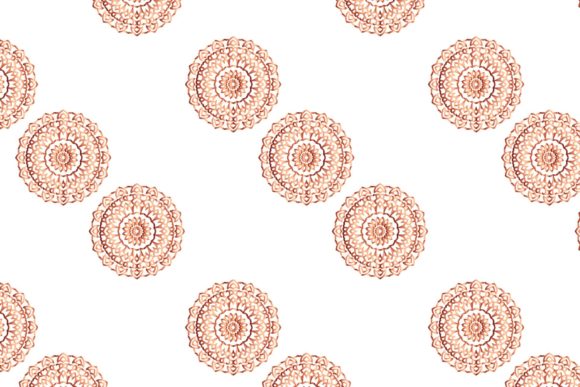
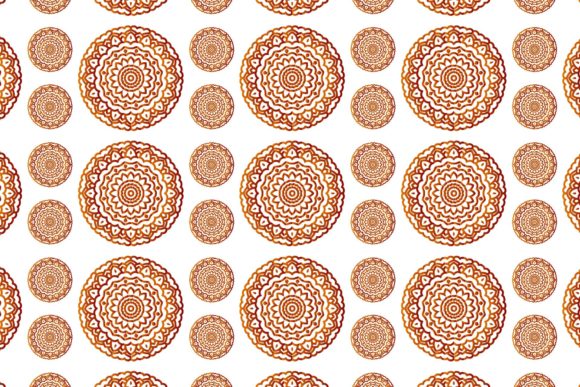
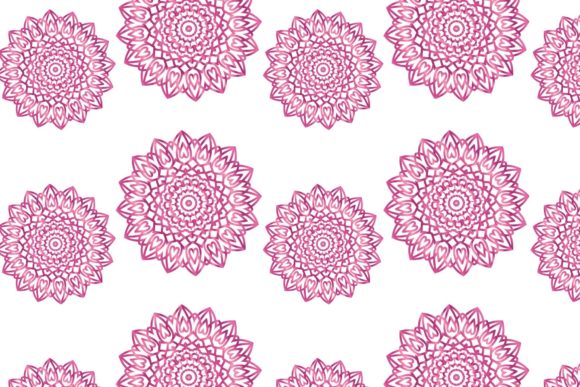
Decoration Patterns Mandala Flower represents a blend of traditional artistry and modern digital design. These intricate patterns, inspired by the symbolic and spiritual significance of mandalas, offer a versatile foundation for creative projects. Unlike generic floral designs, mandala-based patterns often incorporate geometric symmetry, repeating motifs, and layered elements that create visual depth and complexity.
The distinctiveness of Decoration Patterns Mandala Flower lies in its balance between structure and creativity. While mandalas have historical roots in various cultures, including Hinduism and Buddhism, their contemporary use in design has evolved to suit a wide range of applications—from home decor to graphic design and textile printing. This adaptability makes them a popular choice for designers seeking both aesthetic appeal and cultural resonance.
What Makes Decoration Patterns Mandala Flower Stand Out?
One key feature of Decoration Patterns Mandala Flower is the level of detail and precision embedded in the design. Each pattern is carefully crafted to maintain symmetry and harmony, ensuring that it can be scaled or modified without losing its visual integrity. This is particularly beneficial for users who want to customize the design for different purposes, such as wall art, fabric prints, or digital backgrounds.
Another distinguishing factor is the availability of multiple file formats. The 5x digital files included—AI, EPS, SVG, JPG, and PNG—offer flexibility in how the design can be used. For instance, vector formats like AI and EPS are ideal for high-quality printing and editing, while PNG and JPG files provide convenience for web use and social media sharing. This variety ensures that users can choose the most suitable format based on their specific needs.
Comparing Decoration Patterns Mandala Flower with Other Options
When considering alternatives, it's important to evaluate how Decoration Patterns Mandala Flower stacks up against other decorative design options. Traditional floral patterns, for example, often emphasize natural forms and organic shapes, whereas mandala designs focus on structured repetition and geometric balance. This difference can influence which option is more appropriate for a given project.
For users working with digital tools, the availability of editable formats is a major advantage. Some generic design resources may only provide raster images, limiting the ability to adjust colors, scale, or modify elements. In contrast, the vector-based formats included with Decoration Patterns Mandala Flower allow for greater customization and reusability across different platforms and projects.
Additionally, the canvas size of 1920px x 1280px provides a standard resolution that works well for both print and digital use. This size is commonly used in presentations, banners, and online content, making it a practical choice for a wide range of applications. However, users with specific size requirements may need to consider whether this resolution meets their needs or if further adjustments are necessary.
Strengths and Tradeoffs of Using Decoration Patterns Mandala Flower
One of the primary strengths of Decoration Patterns Mandala Flower is its versatility. Whether used as a background element, a focal point in a design, or as part of a larger composition, these patterns can enhance visual interest without overwhelming the overall layout. Their structured nature also makes them easier to integrate into cohesive design schemes compared to more chaotic or abstract patterns.
However, there are tradeoffs to consider. The highly structured and repetitive nature of mandala designs may not appeal to all audiences. For those looking for more spontaneous or free-form artistic expressions, these patterns could feel restrictive. Additionally, the level of detail in some mandala designs might require careful placement to avoid visual clutter, especially in smaller spaces or on digital interfaces.
From a technical standpoint, the availability of multiple file formats is a significant benefit. It allows users to work with the design in different environments, from graphic design software to photo editing tools. That said, users unfamiliar with vector graphics may find the AI and EPS files more challenging to manipulate compared to the more straightforward JPG and PNG options.
When to Choose Decoration Patterns Mandala Flower
Decoration Patterns Mandala Flower is an excellent choice for users who value symmetry, precision, and cultural symbolism in their designs. It works well for projects that require a sense of balance and order, such as meditation spaces, educational materials, or branding elements that aim to convey harmony and unity.
It is also a strong option for those who want to incorporate traditional motifs into modern contexts. For example, a designer creating a line of eco-friendly home goods might use mandala patterns to reflect a connection to nature and mindfulness. Similarly, a digital artist looking to add visual interest to a website or app could leverage these patterns to create a unique and engaging user experience.
However, if the goal is to create a more dynamic or unconventional design, other options may be more suitable. For instance, abstract or geometric patterns that break away from symmetry might better align with avant-garde or minimalist aesthetics. Users should also consider the target audience and the context in which the design will be used, as certain styles may resonate more effectively than others.
Practical Considerations and Use Cases
Understanding the practical implications of using Decoration Patterns Mandala Flower can help users make informed decisions. For example, when using the design for print, the resolution and color mode (CMYK vs. RGB) are important factors to consider. While the provided files are optimized for digital use, users planning to print may need to verify that the design meets the required specifications for their chosen printer or service.
In digital applications, the scalability of vector files ensures that the design remains sharp and clear at any size. This is particularly useful for websites, mobile apps, or social media graphics where the same image may need to be displayed in various dimensions. On the other hand, raster files like JPG and PNG are best suited for fixed-size applications, such as thumbnails or icons, where pixel-perfect clarity is essential.
For users working with multiple design tools, the compatibility of the file formats is another consideration. AI and EPS files are widely supported in professional design software, while SVG files are ideal for web-based applications. PNG and JPG files, being universally compatible, are often the go-to choice for quick and easy integration into most platforms.
Conclusion: Making an Informed Choice
Decoration Patterns Mandala Flower offers a compelling combination of artistic depth, technical flexibility, and practical usability. Its structured design, coupled with a range of file formats, makes it a valuable resource for designers, artists, and creators looking to incorporate meaningful and visually appealing patterns into their work.
However, the decision to use these patterns should be based on the specific needs of the project and the preferences of the intended audience. By evaluating the strengths, limitations, and potential applications of Decoration Patterns Mandala Flower, users can determine whether it aligns with their goals or if alternative options might be more appropriate.