Spiral Patterns: A Unique Geometry-Based Design for Creative Projects
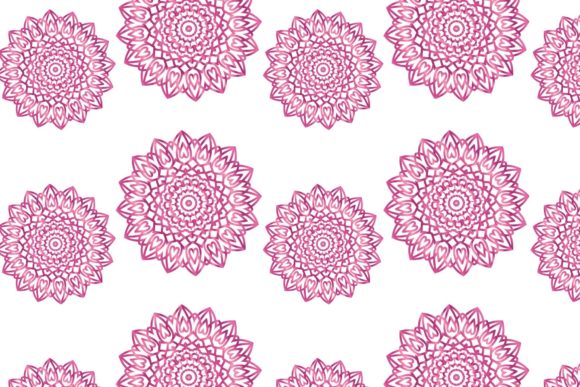
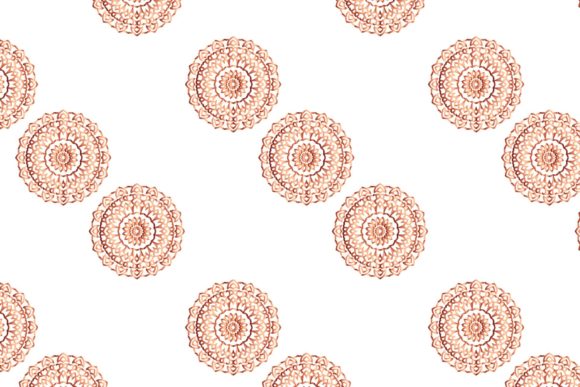
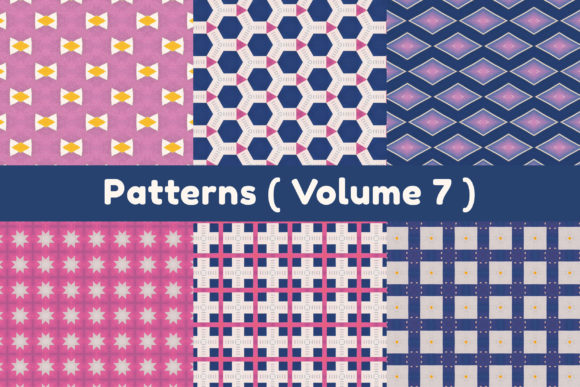
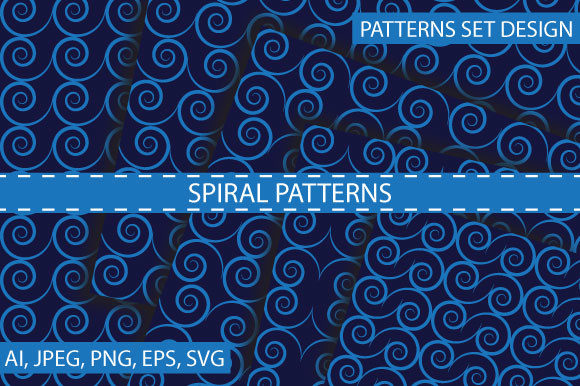
Spiral Patterns is a design concept that combines mathematical precision with artistic expression. This pattern, characterized by its intricate spiral shapes, offers a versatile foundation for various creative applications. The design features multiple variations, each derived from the central spiral theme, making it suitable for a wide range of uses. Whether for digital or physical projects, Spiral Patterns provides a refined aesthetic that can enhance visual appeal and functionality.
What Makes Spiral Patterns Distinct?
Spiral Patterns stands out due to its geometric simplicity and adaptability. Unlike more complex or abstract designs, this pattern maintains a clean structure while allowing for variation through subtle adjustments in shape, spacing, and orientation. The result is a cohesive yet flexible design that can be tailored to different contexts. Its modular nature makes it easy to integrate into existing projects without overwhelming the overall composition.
The use of spirals as a base introduces a sense of movement and flow, which can guide the viewer’s eye through a layout or surface. This quality makes Spiral Patterns particularly effective for backgrounds, borders, or decorative elements where visual interest is needed without distraction. Additionally, the pattern’s symmetry and balance contribute to a professional appearance, ideal for both commercial and personal use.
Comparing Spiral Patterns with Similar Options
When evaluating design options, it's important to consider how Spiral Patterns compares to other geometric or abstract patterns. While many designs rely on repetition of shapes or color gradients, Spiral Patterns focuses on the organic progression of its forms. This approach can create a more dynamic visual effect, especially when used in larger formats such as wallpapers or printed materials.
For instance, compared to traditional tile-based patterns, Spiral Patterns offers a less rigid structure. Tile patterns often require precise alignment and may appear static, whereas the fluidity of spirals allows for more natural transitions between elements. This distinction can make Spiral Patterns a better choice for projects that aim to evoke a sense of motion or elegance.
On the other hand, Spiral Patterns may not be the best fit for all scenarios. In cases where high contrast or bold visuals are required, simpler or more graphic patterns might be more effective. Similarly, for projects that demand maximum clarity or minimalism, the complexity of spiral forms could be seen as unnecessary. Therefore, understanding the specific needs of a project is essential when deciding whether to use Spiral Patterns.
Strengths and Tradeoffs of Spiral Patterns
One of the key strengths of Spiral Patterns is its scalability. The design maintains its integrity across different sizes, making it suitable for both small-scale applications like icons or buttons and large-format uses such as wall coverings or book covers. This versatility is further enhanced by the availability of multiple file formats, including JPEG, PNG, EPS, SVG, and AI, ensuring compatibility with various design software and printing processes.
Another advantage is the high-resolution output. With a size of 864x864 pixels, the pattern retains sharpness and detail even when enlarged. This quality is crucial for print projects, where low resolution can lead to pixelation or loss of clarity. The inclusion of vector formats like EPS and SVG also allows for seamless scaling without any degradation in quality.
However, there are tradeoffs to consider. The complexity of the spiral design may require additional time and effort to implement effectively. For example, integrating Spiral Patterns into a layout may involve adjusting spacing, colors, or layering to ensure it complements other elements. This can be a challenge for users who are not familiar with design principles or who are working under tight deadlines.
Additionally, while the pattern offers several variations, the number of available designs (five in total) may be limited for some users. Those seeking a broader range of options might find themselves looking for alternative patterns that provide more diversity in style or structure.
Best-Fit Situations for Spiral Patterns
Spiral Patterns is well-suited for projects that benefit from a subtle yet sophisticated aesthetic. It works particularly well in environments where a sense of harmony and balance is desired, such as in interior design, branding, or editorial layouts. For example, a designer creating a website for a wellness or lifestyle brand might choose Spiral Patterns as a background element to convey a calming and elegant atmosphere.
It is also a strong option for print applications, such as book covers, posters, or stationery. The high-quality files provided ensure that the pattern looks professional when printed, regardless of the medium. For artists or illustrators looking to add a unique touch to their work, Spiral Patterns can serve as a compelling visual element that enhances the overall presentation.
In addition, the pattern’s adaptability makes it a good choice for collaborative projects. Since it comes in multiple file formats, it can be easily shared and modified by different team members using various design tools. This flexibility supports efficient workflow and reduces potential compatibility issues.
When to Consider Alternatives
While Spiral Patterns has many advantages, there are situations where other options might be more appropriate. For instance, if a project requires a highly customizable or interactive design, a more dynamic format—such as a responsive web template or a 3D model—could be a better fit. Similarly, for applications that prioritize speed or performance, simpler patterns may be preferable to reduce file size and loading times.
Users who are looking for a completely free or open-source alternative might also explore other resources. There are numerous online platforms offering geometric patterns, some of which may be available at no cost. However, it’s important to evaluate these alternatives based on quality, licensing, and usability before making a decision.
Ultimately, the choice between Spiral Patterns and other options depends on the specific goals of the project. By carefully considering factors such as visual style, technical requirements, and intended use, users can determine whether Spiral Patterns is the right solution for their needs.
Practical Examples and Use Cases
A real-world example of Spiral Patterns in action could be a hotel’s interior design. Using the pattern as a wallpaper motif in a lobby or guest room can create a visually engaging space that feels modern and refined. The spiral design adds a touch of sophistication without being overwhelming, making it an excellent choice for luxury or boutique settings.
Another example is a book cover for a fiction novel. The pattern could be used as a background element, with text and images layered on top. The flowing lines of the spiral can suggest movement or mystery, aligning with the themes of the story. The high-resolution files ensure that the cover looks sharp and professional when printed.
For digital applications, Spiral Patterns could be used as a background for a mobile app or a website. Its clean lines and balanced composition help maintain readability while adding visual interest. This makes it a practical choice for designers looking to enhance user experience without sacrificing aesthetics.
Final Thoughts on Choosing Spiral Patterns
Spiral Patterns offers a compelling blend of form and function, making it a valuable resource for designers, artists, and creators. Its geometric foundation, combined with a variety of file formats and high-quality output, ensures that it can be used in a wide range of applications. However, as with any design tool, the effectiveness of Spiral Patterns depends on how well it aligns with the specific needs of a project.
By understanding the strengths, limitations, and potential use cases of Spiral Patterns, users can make informed decisions about whether it is the right choice for their work. Whether used as a background, a decorative element, or a standalone design, Spiral Patterns provides a versatile and elegant solution that can elevate any creative endeavor.